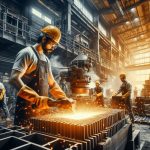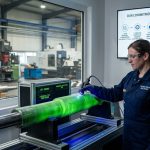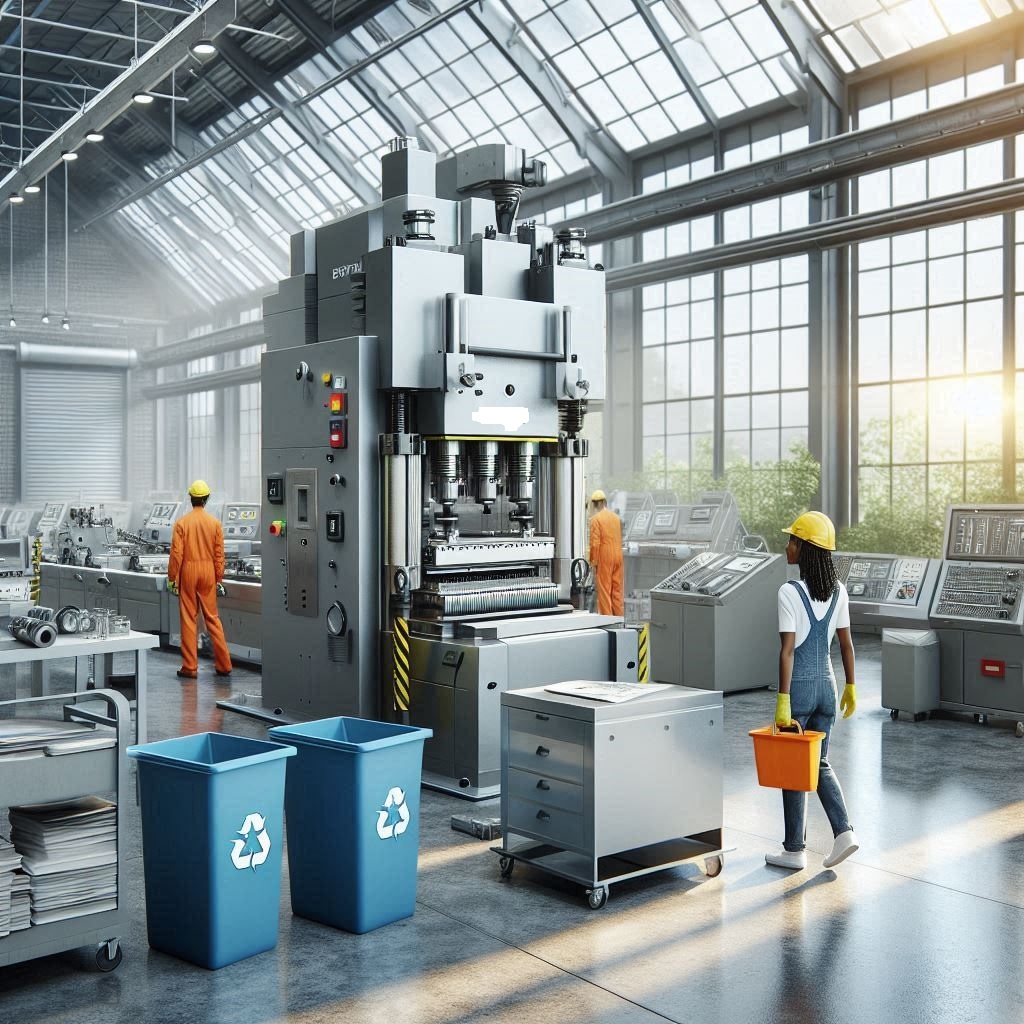

Sustainability is increasingly becoming a priority amongst modern day manufacturing companies, including those that manufacture power presses; therefore, many power press machine manufacturer are developing ways to implement environmentally-friendly manufacturing practices to minimize their overall environmental impacts and increase operational efficiencies. Green production practices are being utilized by manufacturing companies as they begin shifting towards sustainable production methods, thus leading to environmentally-friendly technologies, efficient systems, and responsible use of materials being incorporated into the design and production of power presses.
Energy-Efficient Machine Design
A key sustainable practice for makers of power pressing equipment is the creation of machines that use less energy. Power presses recently designed use more efficient motor and drive systems, including Optimally Engineered Motor Systems, Variable Frequency Drives (VFD), and a Technology focus Energy-Saving Hydraulic System to conserve energy through reduced electrical consumption without compromising machine performance.
By using less electricity these new machines; save on electrical utility costs; have lower operational expense; and assist to lower global carbon footprint. Consequently, these types of machines can be used by businesses looking to work towards their sustainability goals.
The Eco-friendly Manufacturing process
In addition, an increasing number of manufacturing companies have used eco-friendly materials as their raw materials in the production of power presses. These include metals that can be recycled, all the low-impact alloys that have been created from recycled raw materials, or those that have been sourced from sustainable suppliers.
Manufacturers have also implemented measures to reduce their waste during the manufacturing of power press machines. This includes using precision cutting tools, optimizing their designs to reduce process waste, and recycling scrap material. All these efforts create a smaller overall environmental impact.
Waste Reduction and Recycling
Efficient waste management is crucial to sustainable manufacturing within the power press machine manufacturing sector. Companies are implementing various waste reduction measures that include the recycling of metal scrap and machining waste; reused lubricants and coolants after proper treatment; and reducing packaging waste through environmentally friendly packaging materials. These waste reduction activities not only reduce the amount of waste disposed of in landfills but also help to use resources more effectively throughout the entire production cycle. By supporting reuse and recycling, manufacturers are supporting a circular economic model helping create a more sustainable environment while reducing their operational costs.
Adoption of Automation and Smart Manufacturing
Sustainable development of economies relies on the applications of automation and Industry 4.0 technologies to contribute to sustainability, as such. Technologies and systems would include IoT technology, artificial intelligence, sensors, and smart manufacturing systems. These technologies incorporate the ability of humans to monitor the performance of machines and their processes while improving efficiency of their manufacturing processes ultimately will allow for less total resource use will reduce amount of waste and support the production of consistent product quality. These applications of technology, along with predictive maintenance will offer an opportunity to extend the life of machines and eliminate unnecessary machine replacement by preventing unanticipated machine failure.
Reduced Emissions and Pollution Control
To minimize the quantity of harmful emissions associated with producing goods, manufacturers have established a range of techniques that will help them in achieving compliance with their legal requirements as well as providing facilities to better facilitate healthy working environments for employees by using noise reduction technologies; installing air cleaning systems or utilizing biogas or alternate forms of renewable energy; employing environmentally sustainable manufacturing practices; as a result, many manufacturers are now able to meet the environmental standards of the various rules imposed by regulatory authorities while assisting in protecting our planet.
Water Conservation Practices
In the production process, water has become indispensable for many industries, including but not limited to cooling and sanitation. There are numerous methods a responsible manufacturer uses to reduce/ conserve water consumed through the production of their products. Some of these might include using a closed-loop water recycling system or harvesting rainwater, while others may include utilizing energy-efficient cooling systems. By using less overall water and relieving their demand on these essential resources, manufacturers provide an example of how to use these essential resources sustainably.
Sustainable Supply Chain Management
The manufacturers of power press machines are also focused on developing more sustainable supply chains. This is mainly accomplished by searching for “green” suppliers.
In addition to improving the overall environmental impact, a supply chain that operates this way will also enhance the image of the brand on an international basis.
Employee Awareness and Training
Sustainability means more than being able to use technology; it also has to do with the people involved. Companies can help train employees on environmental responsibility (through education, energy conservation, and reducing waste) so that they can meet and sustain these goals throughout all operations.
Conclusion
The way in which sustainable approaches are changing the power press machine manufacturing industry has a huge impact on the environment, as well as efficiency and cost-effectiveness. Initiatives such as energy-saving designs, using sustainable materials, making use of “smart� manufacturing technologies, and reducing waste all contribute to helping manufacturers to support the global sustainability initiative. As the demand for greener solutions continues to increase, manufacturers that implement sustainable approaches will benefit from not only helping the planet but also from having a competitive edge within an ever-changing, modern manufacturing environment.