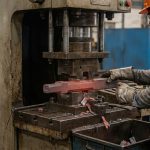

Automotive parts are manufactured by the technique known as forging. This mechanical process involves complicated forging machines that uses integrated cnc technologies for precision engineering. The metal components are carefully heated bellow the melting point to make it soft and then they are compressed or bend to specific shape or form. Second, these parts may be shaped using hydraulic or mechanical presses that provide high pressure on the metal during forming. After they have been forged, the parts will be processed through additional processes including trimming, heat treating, machining; and surface finishing (to achieve accurate dimensions) which will modify the mechanical characteristics of the parts. Thorough inspections of the finished components will ensure they will meet their strength, structural integrity, or performance standards when under demanding environmental conditions (high tensile strength).
Application and uses of Forged automotive components
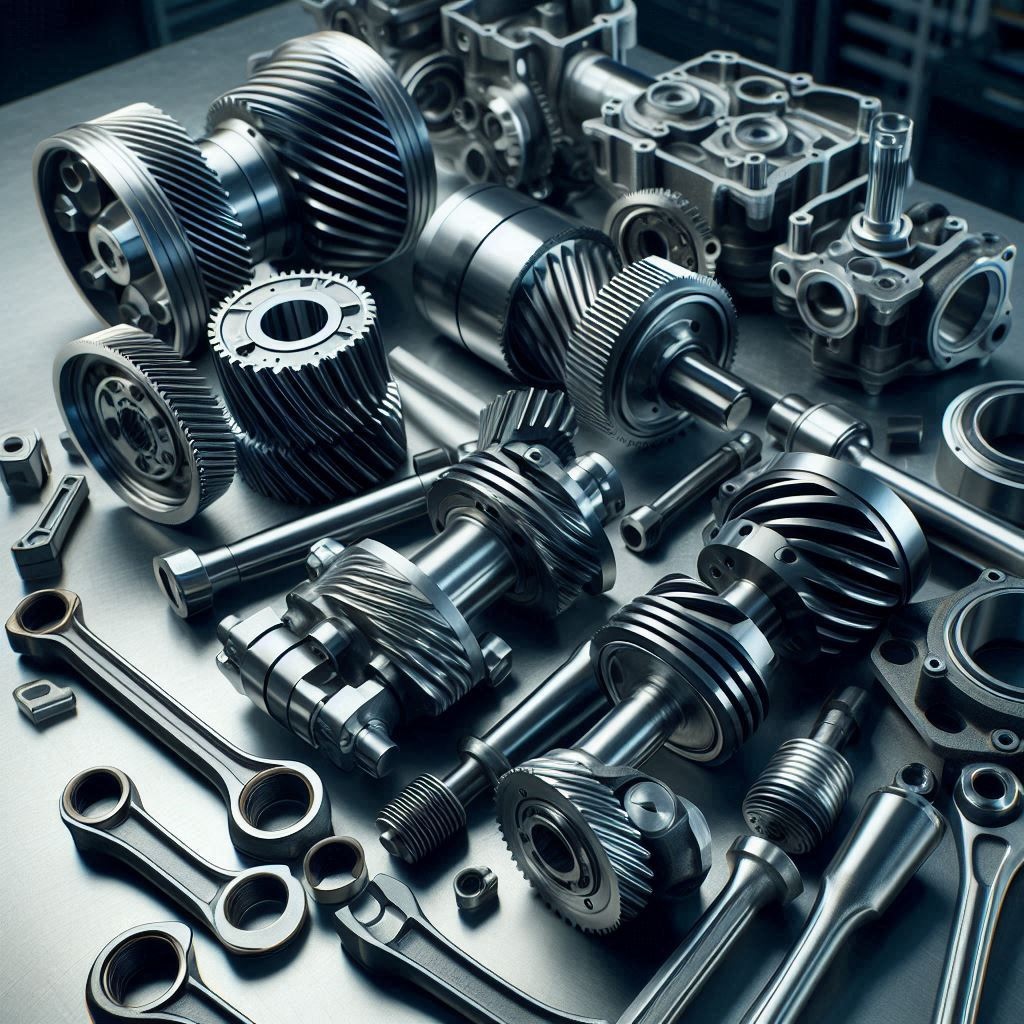
Because forged automotive components provide strength, durability, and resistance against wear and tear fatigue, they are commonly found in many types of automotive applications. The process used to create these components modifies the internal structure of the metal by forming the necessary shape and subsequently providing heat and pressure to alleviate stress through a physically conditioned grain (or microstructure). Forged automotive parts are found in many different types of high load capacity applications from crankshafts and connecting rods to axles and gears; as well as in other critical vehicle systems like steering knuckles and suspension systems. Due to the ability of forged components to tolerate extreme loads, temperature variances, and mechanical action (i.e., working) stresses, forged components are heavily used in passenger cars, light commuters, trucks, and high-performance vehicles for both safety, longevity, and consistent performance under demanding driving scenarios.
How to find the best manufacturer of Forged automotive components
When selecting a supplier for forged automotive parts, there are several key points that need to be considered. These factors include
(1) the manufacturer’s experience within the industry,
(2) the company’s ability to produce the desired product, and
(3) the manufacturer’s commitment to quality assurance.
A quality forged parts supplier will invest in state-of-the-art equipment and utilize- the best quality raw materials in order to make durable and accurate products.
By looking at certifications (if available) and client testimonials and previous projects, you can evaluate the manufacturer’s trustworthiness and the consistency of the quality of their products.
Furthermore, if the supplier is willing to provide customization of products, deliver on time, offer competitive pricing, and provide technical support for your company, then this is an indicator that the supplier is a trustworthy and reliable manufacturer of forged parts.
When you select an experienced supplier of forged automotive components, you are ensuring that the components are of a long life and can operate dependably. Moreover, you also will minimize maintenance problems and provide dependable supply chain for your automotive application.
Conclusion
Overall, forged parts made from metal products are an important part of today’s modern vehicle design because they provide high strength, safety and dependability for the vehicles produced. The forging manufacturing process has provided many benefits in terms of strength, safety and dependability through its ability to control the manufacturing process, as well as the actual use of the product in a variety of automotive applications. The ability to produce high quality, accurate and durable forged products is essential for manufacturers who produce parts to meet the stringent requirements of today’s automotive industry. Using the advanced techniques available to produce forged components with strict quality requirements will help support better vehicle performance, lower failure rates and superior long-term performance throughout the automotive sector.